Protecting LGBTQ+ Rights Internationally
The recent news of the passing of Kenyan LGBTQ+ rights activist Edwin Chiloba has raised a bigger issue that is yet to be addressed.
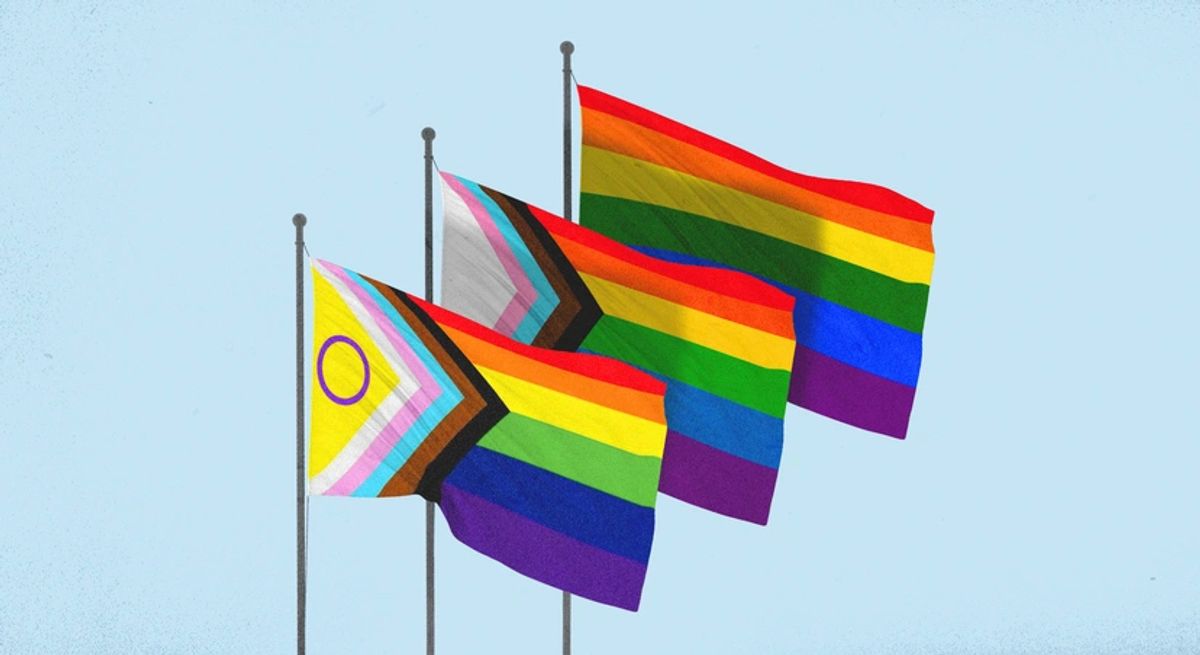
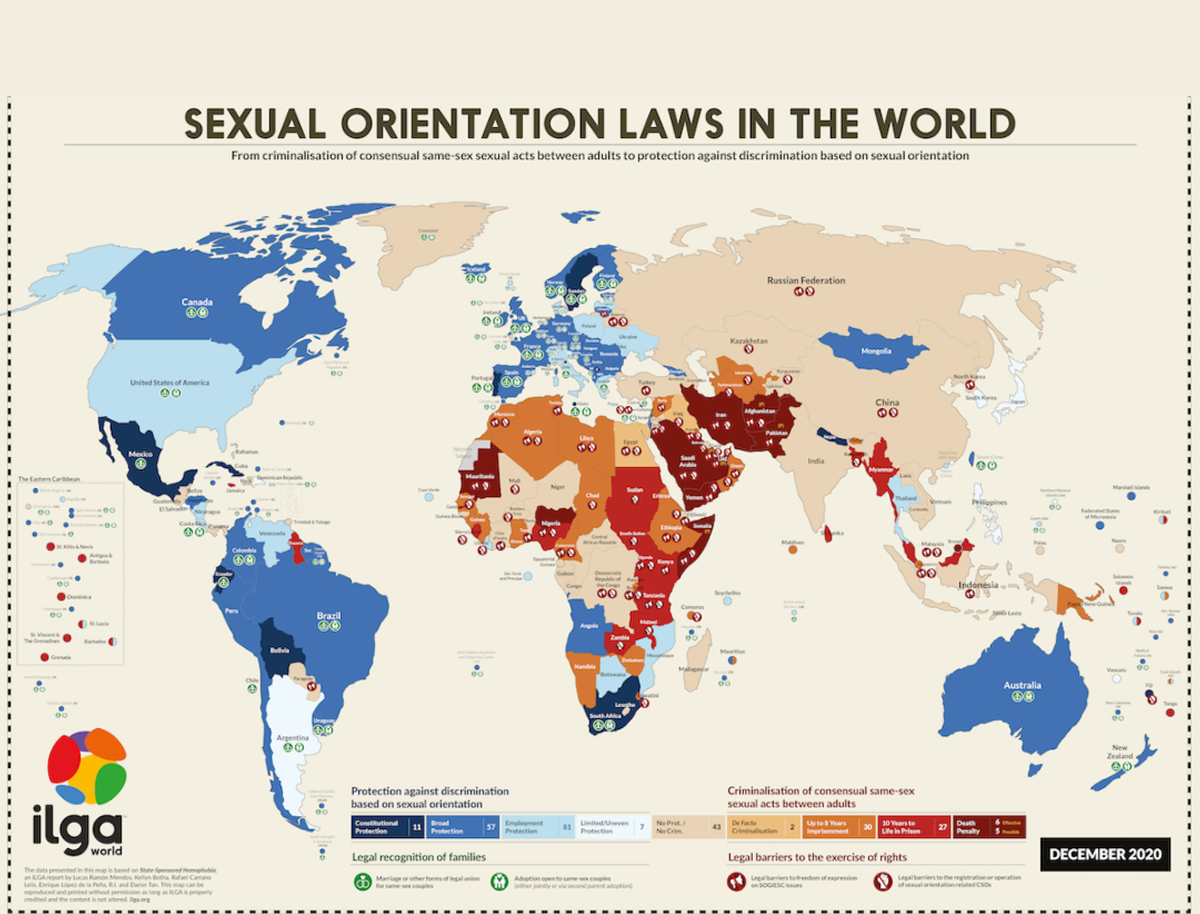
Due to British colonial-era laws, there is still a ban on homosexuality, this law still exists in many parts of the world including Kenya. This leads to damaging legacies on all 69 countries that still criminalise individuals who are part of LGBTQ+ communities.
Queer Black and Brown individuals are faced with the most challenges with socio- cultural prejudices towards them not only in the LGBTQ+ communities but in the wider communities are still a massive issue. The public prejudices affects the well being and protection of individuals.
In a 2020 report published by The International Lesbian Gay Bisexual Trans and Intersex Association (ILGA) the criminalisation of homosexuality was enforced in 34 UN member states. This leads us to ask the question, who is protecting our queer siblings?
Adverse public attitudes, and in turn a lack of safe space for LGBTQ+ individuals, are often fueled by condemnation from religious and political organisations and leaders. Although we are globally witnessing the progressive change of queer representation in the media and other platforms, we still need to acknowledge that cases of hate speech and violence still remain at the forefront for many individuals within LGBTQ + communities across the globe.
Ways in which you can support LGBTQ+ individuals :
African Queer Youth Initiative are a network of youth activists and organisations who mobilise, support and amplify the voices of LGBTQ+ activists. The organisation helps build the visibility of LGBTQ+ youth in Africa.
Queer Hive Kenya
A non-profit organisation that advocates for the equal rights of LGBTQ+ people in Kenya, through positive building this includes re establishing working relationships with institutions and civil society organisations.
AfroQueer Podcast
Telling the stories of Queer Africans from across the continent and diaspora. The podcast celebrates queer love, and explores the laws affecting their lives, migration, media, race, class and much more. Episodes discuss the meanings of being Queer and African and spotlights individuals shifting the landscape of African queerness.
Related Articles
RJN Statement on the Transitioning of Professor Jason Arday
24/08/2026 • RJN Team
One Year After Dr Pious Nyandoro: The Uncomfortable Truth About Empire, Borders and the Value of Black Life
23/07/2026 • Boucka Koffi