
Criminal Realism: Is There Really No Alternative To Policing?
Criminal Realism: Is There Really No Alternative To Policing?
At the Racial Justice Network (RJN) we are committed to repair – repairing the harm caused by centuries of colonialism, systemic oppression, and racial injustice. We believe in nurturing the wisdom within our communities and supporting practices that emphasise healing, care, and accountability over punishment. This means imagining and building a future free from the harms of policing.
Far from being neutral enforcers of safety, police forces have repeatedly been shown to harm the very communities they claim to protect. The criminal (in)justice system is geared toward punishment rather than prevention and healing. And it’s the communities already facing systemic inequalities that are targeted the most.
Policing doesn’t only fail in delivering safety – it actively inflicts harm. The data is damning.
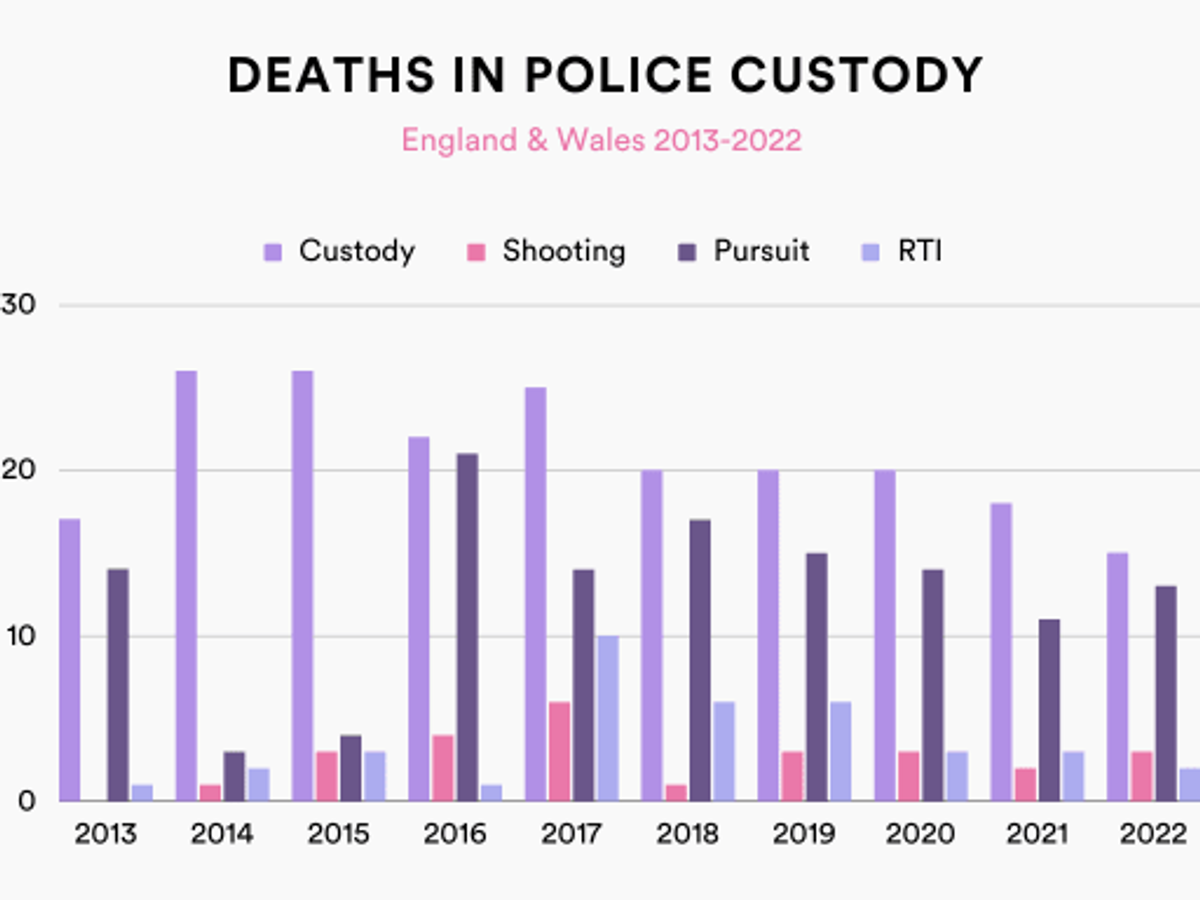
The failures of policing are also evident in more lethal forms. INQUEST reports that over 1,903 people have died in police custody or following contact with the police since 1990, and the lack of accountability for these deaths is stark, with very few officers ever being prosecuted, let alone convicted.
Similarly, the Northern Police Monitoring Project has highlighted the growing number of deaths resulting from police decisions to engage in high-speed chases, particularly among racialised and working-class communities with, again, a lack of justice for families in the aftermath.
In addition to these deaths, policing often results in physical harm and trauma for families. Many are left feeling more unsafe than before police involvement.
Rebuilding safety through accountability, not punishment
In 2009, the British philosopher Mark Fischer wrote the book Capitalist Realism, which explored:
…the widespread sense that not only is capitalism the only viable political and economic system, but also that it is now impossible even to imagine a coherent alternative to it”.
So too with crime, policing and punishment.
Often when people think of a “crime” or harm taking place, they believe that the only options we have are to call the police “to catch the boogeyman”. This is often the case even when they know that the police cause harm, because we are made to feel that there is no other alternative to using the criminal legal system. We are (mis)educated to believe that ‘crime’ is the only framework we have to understand harm, and that policing and punishment is our only solution
But organisers against harm and for ‘transformative justice’ remind us that prisons and police have not always existed. Compared to the histories of our world and of humanity, they are new tools of the state. The prison system itself (a carceral system propped up by police and other state social services) was a reform, invented as an alternative to capital punishment. Alternatives are, and have always been, possible.
Unlike the current system, which focuses on punishment and the criminalisation of the most marginalised and impoverished communities , transformative justice aims to address the root causes of harm and create processes of accountability that centre healing and community care. It is about engaging the entire community to resolve conflict and restore relationships rather than handing individuals over to a carceral system that perpetuates cycles of violence.
Colonial foundations of modern policing and community resistance
It’s important that we remember that harm of current systems of crime and punishment is not just a contemporary issue but one rooted in the history of policing itself. Modern policing has its origins in the colonial project, where police forces were explicitly designed to control colonised peoples. From the Indian Police Service under British colonial rule to the suppression of anti-colonial resistance movements in Africa and the Caribbean, policing has long been a tool for upholding racial hierarchies, and economic exploitation.
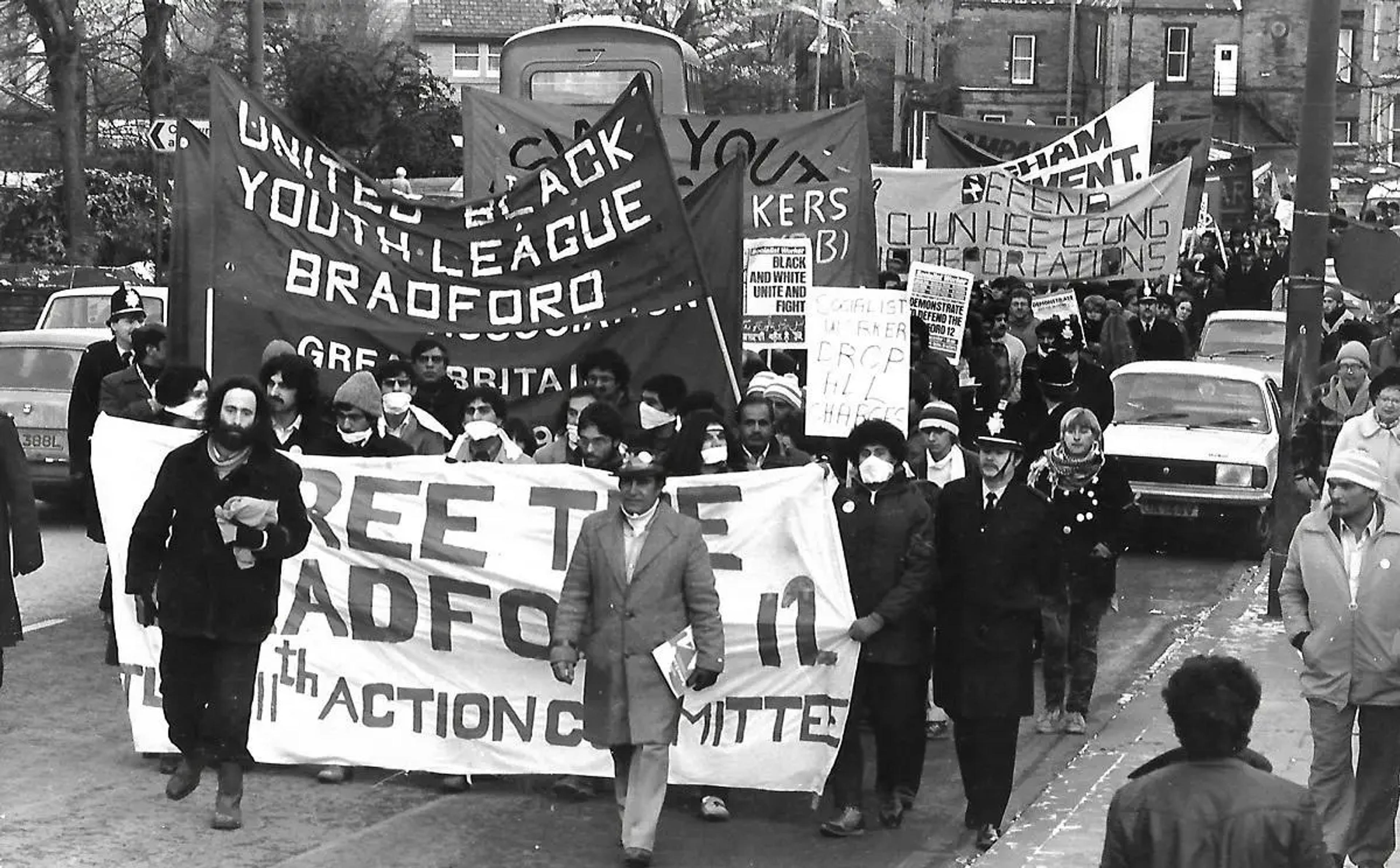
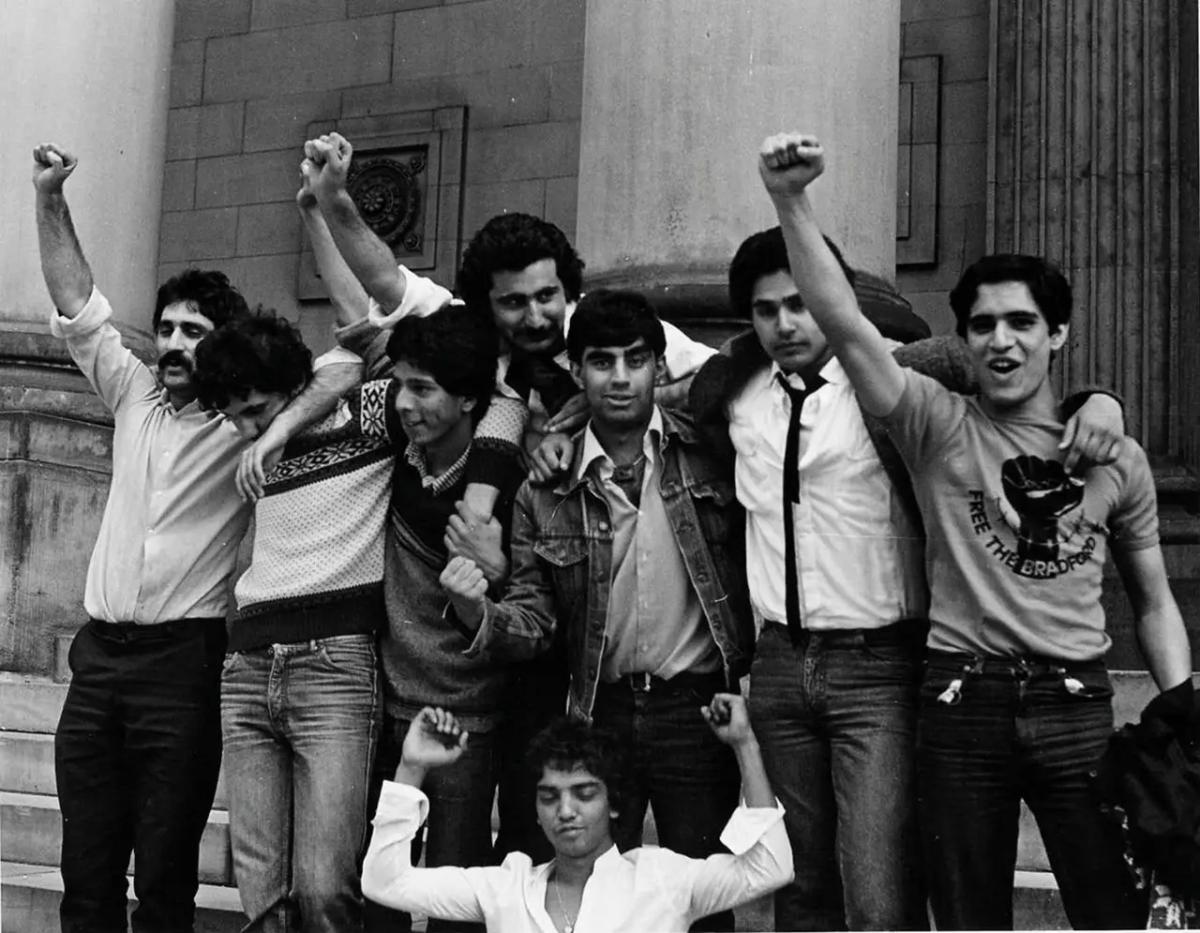
These structures are still very much alive today, but have always been met with resistance and resilience. One powerful example is the Bradford 12 case of 1981. When the police refused to protect Asian communities from fascist violence, those communities had to organise their own defence. This act of self-defence was vital in safeguarding the community, but led to the arrest of 12 members of the United Black Youth League on terrorism charges. Their eventual acquittal was a landmark moment. It exposed policing as complicit in enabling the violence, and affirmed communities’ right to defend themselves when the state had failed.
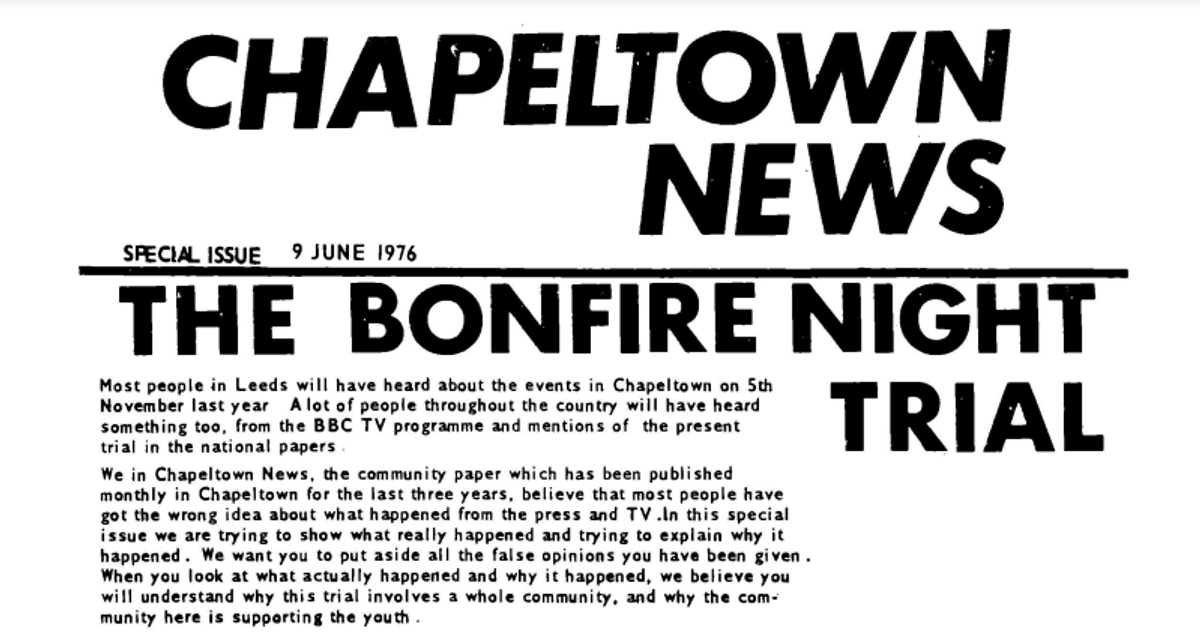
Crucially, the Bradford 12 were part of a wider wave of political organising that had been building across East Leeds and beyond for years. The 1976 Bonfire Night in Chapeltown, Leeds, was one of the early flashpoints, where local residents rose up in response to police harassment and brutality. This spirit of resistance and the structures of organising continued into the uprisings of 1981, which swept across many cities, including Leeds, following events in Brixton and Toxteth. These uprisings were rooted in a long history of political organising, especially in neighbourhoods like Chapeltown and Harehills, where local advocates and activists had been working for years to address the systemic inequalities that Black, Asian and working-class communities faced. When people took to the streets, they were resisting decades of police harassment, unemployment, housing discrimination, and state neglect. These uprisings were both a demand for justice and a powerful assertion of the communities’ refusal to be silenced or criminalised.
In East Leeds, the community didn’t just resist in the streets but organised to support those criminalised for their involvement. Families, local leaders, and activists banded together to provide legal, financial, and emotional support for those who were facing the brunt of the crackdown. Their organising was crucial in creating a sense of solidarity and in building long-term resilience. Much like the Bradford 12 case, the East Leeds community showed how we can be agents of change, how we can provide safety and support for each other.
The Bradford 12 case, the uprisings of 1981, and events like the 1976 Bonfire Night were not isolated incidents. They were part of a continuum of political organising that brought together Black, Asian, and working-class communities against state violence. Through grassroots organising, these communities developed networks of care, solidarity, and defence that allowed them to assert their right to safety and justice.
Today, these legacies continue to ground and inspire new generations of activists and organisers in West Yorkshire in the ongoing struggle. They remind us that collective action and solidarity is always possible.
Reimagining Community Safety
We have in front of us many alternatives, many different solutions that are innovative and brave approaches to dealing with harm as it takes place, and that seek accountability and transformation as part of our community structures.
But often these bold groups are under-resourced. Sometimes they are not quite scaled-up enough yet to meet their amazing potential. It is so important to support them and help them with getting more resources.
While supporting this visionary work, what small acts can we do in the meantime? When an incident takes place, what can we do instead of calling the police? How do we keep ourselves safe while remaining aligned with radical goals?
We will explore all this and more at our ‘Community Safety Reimagined’ event on Saturday, 28th September – a community forum co-organised by Harehills Actions Team, StopWatch and Racial Justice Network.
We are excited to welcome you as we hold space for sharing experiences, nurture the wisdom within our communities, share and celebrate examples of community care and justice and organise to build resilience.
Sign up now!
Support East Side Story
Please also take this opportunity to head over to East Side Story to see a wonderful examples of taking back by promoting the voice of the local community in East Leeds! We are very honoured to have one of East Side’s Story’s journalists and co-founders, Janine Griffiths, join us for the 28th. Hope to see you there too!
Here are some of their posts:
- ‘After the Harehills riots: Beyond the Rage and other emotions’
- Quick Chats with Local Artist Tyra Thomas
- Leeds West Indian Carnival: A Celebration of Culture and a Call for Unity
- FoodCylce Leeds: Nourishing Bellies and Souls
- Getaway Girls: a Haven from Young Women and Girls
Related Articles
RJN Statement on the Transitioning of Professor Jason Arday
24/08/2026 • RJN Team
One Year After Dr Pious Nyandoro: The Uncomfortable Truth About Empire, Borders and the Value of Black Life
23/07/2026 • Boucka Koffi