

Criminal Realism Part 2: Alternatives to Contacting the Police
Criminal Realism Part 2: Alternatives to Contacting the Police
At our community forum event on 28th September, “Community Safety: Reimagined”, we explored the power that exists within our communities and how to harness this to create a safer world. Both through acknowledging the violence attendees and panelists had experienced from the state, and by starting to map where our safer world could be created, we cultivated a space recognising the power of the everyday. From the assertion of alternative narratives by grassroots media, like East Side Story, to the propagation of a safe world within our senses and imagination, led by Suhaiymah Manzoor Khan, “Community Safety: Reimagined” focused on people power and broadening capacity for desires.

Communities have long relied on mutual aid, collective care, and conflict resolution practices rooted in solidarity. East Leeds has a long history of resistance and community support in response to harms, particularly those perpetuated by the state.
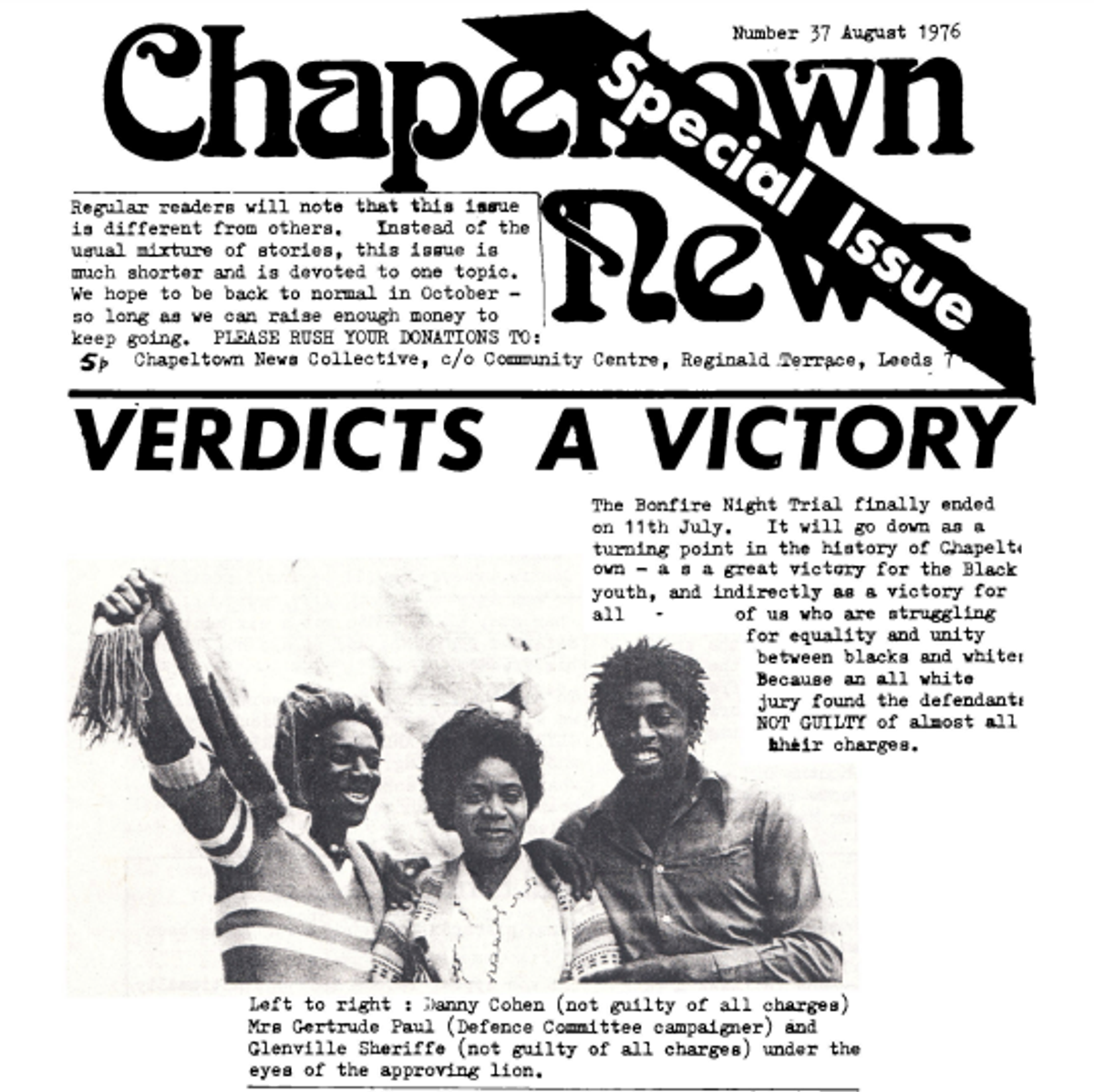
As briefly mentioned in our Part 1 blog “Criminal Realism: Are There Really No Alternatives to Policing?”, during the 1976 Bonfire Night uprisings, young black people were reacting to racism from not only fascist agitators and an all-round racist environment but also from direct intimidation and violence from the Police.
At this time we also witnessed critical collective care from the community, from the organising of a defence fund, supporting the legal case from the 10 young black people, but support in the form of housing, and fairer reporting from Grassroots media (Chapeltown News). This organising and mobilising took place in a wider context of anti-racist resistance, including the Chapeltown Parents Association boycott of Cowper Street Primary School in 1973. These legacies of collective care remain in East Leeds, and in September we set out to explore how collective care is still in practice.
So often we witness the British political and governing establishment protecting its ideological and economic interests, rather than protecting people. From legislation to media, a capitalist and white-supremacist status quo is upheld using these various apparatuses. “Community Safety: Reimagined” brought to light the ways in which communities of migrants, racialised people, queer people, and any other marginalisation so often rely on our internal structures of support from the harms of the establishment.
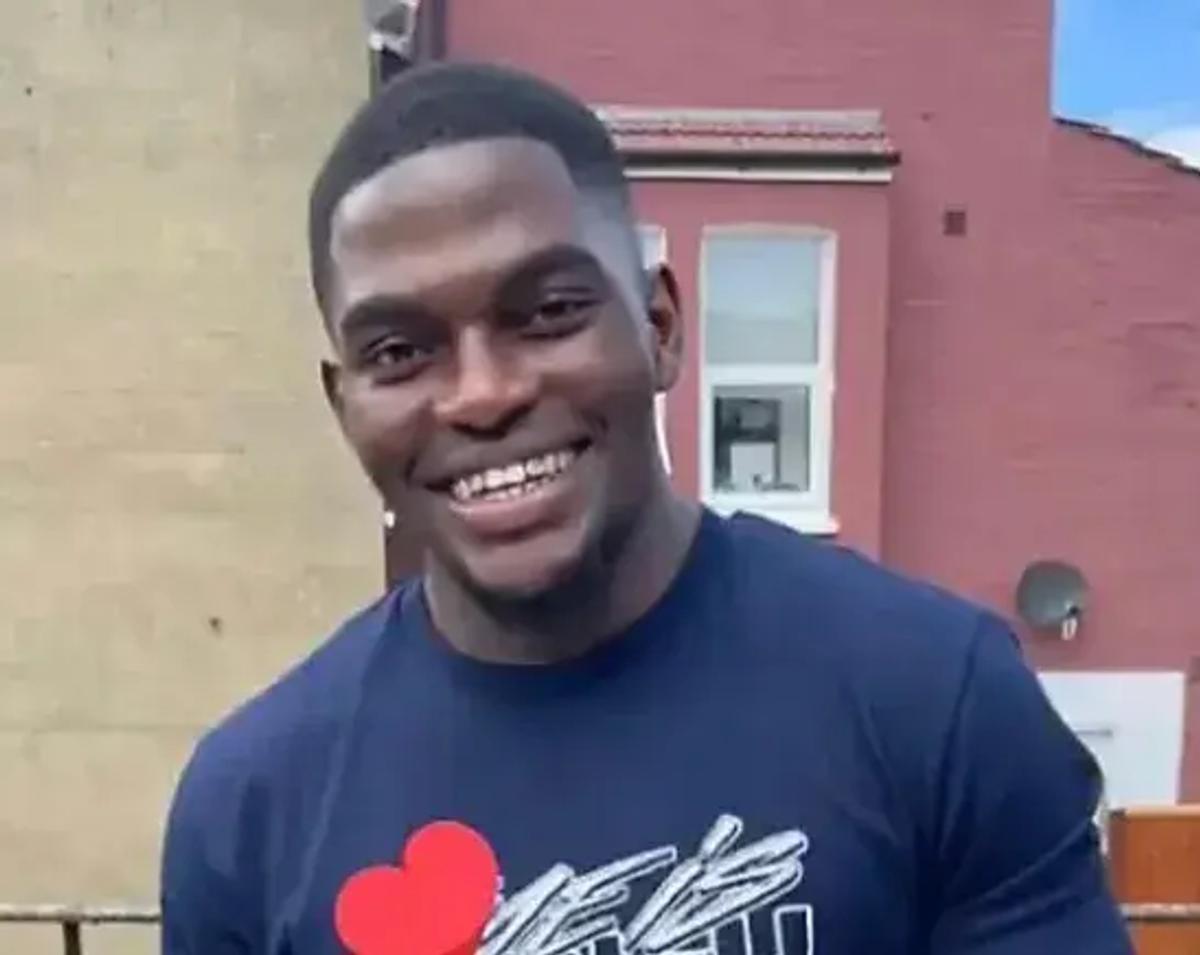
The recent coverage of the murder trial of police officer Martyn Blake, who shot and killed young father Chris Kaba exposes the complicity of the system. Chris was pursued by an unmarked police car and killed by Blake. Despite both hands being on the wheel, Kaba was deemed a threat by the officer and lost his life back in 2022.
Last week a court determined that Martyn Blake was not guilty of murder, again protecting the interests of a white supremacist status quo.
Amid the grief for Chris, arose a transparent attempt to overshadow it. Images and debates labelling him a “criminal,” stripping away his humanity and the community’s sorrow. This tactic isn’t new, but Chris’s death reignites the struggle for empathy.
Our efforts, alongside Harehills Action Team and StopWatch, remain focused on how we can carve out a structure of safety that honours the experiences of those most harmed by the state. The framework of criminal realism obscures the reality of how communities can support one another without relying on the establishment. Instead, we believe that acknowledging the power and love in our daily interactions is key to fostering safety and reducing harm.
This blog shares some practical alternatives to keeping ourselves and our communities safe when we are in danger and when our sense of safety is disrupted.
Small step alternatives
When we encounter tense or divisive scenes, or when harm or violence occurs, many of us have the instinctive reaction to want to contact the police. This instinct is understandable, because it is the way we have been systematically conditioned, educated and socialised. The structure of economics and law in the UK often leaves other types of harm response organisations under-resourced. However, calling the police is not always our only option. Nor is it always the safest option, as police can agitate and perpetrate violence in our communities. Here are some alternative suggestions to contacting the police in such scenarios. We know that these are not perfect solutions, nor will they always work, but they offer some different approaches that might just work for you.
Had an item stolen?
This is a great opportunity to look towards Mutual Aid – a practice of community collaboration, to share resources and support. This tried and true practice of communities supporting each other in times of need is something you may already practised.
For example, many of us are in instant messaging and social media groups with community networks where you can share about your missing item and ask help to retrieve it if you have an image or description. Of course not all items can be replaced, nor the memories that go with them, but for some items websites like Freecycle or even Facebook marketplace could return them to you in new form.
If you feel you need a police report for insurance purposes, rather than encouraging police to come into the community, you can also consider going into a police station in order to get this documentation.
Has your community space or place of worship been vandalised?
Having a police presence at your community space or place of worship might risk turning away people who have had negative experiences with the police in the past. We know that Black people, migrants and other people of global majority heritage bear the brunt of many harmful experiences with the police. In particular, over-policed young people might never want to use the space again.
Instead, you can consider being the ones to ask the first questions about safety. Before turning to the police, here are some other interventions you could try:
- Implement a buddy system for using and closing the space.
- Keep doors locked when staff or others are alone, or spread out, in the building.
- Create a widely-shared instant messaging group for guidance on who to communicate with.
- Seek de-escalation training or self-defence training in case of meeting an angry or hateful person on the property.
Do you need to call the Police?
There are some instances when calling another public service or advocacy group can be more helpful or safer than calling the police. Whilst not all of these options are perfect, they may help reduce the types of escalation and harms that so commonly occur when police are called to the scene:
Mental Health Crisis:
If an event takes place that results in a mental health crisis, calling the police may cause more harm than good to a vulnerable person. Some alternatives to avoid calling the police could include:
- If you are in crisis you could consider using tools like buoy or find a friend to alert your friends to where you are.
- With consent, calling 112 (free emergency telephone number) may be a good way to get some extra support
- Visiting Accident & Emergency (A&E) at the hospital, with the consent of the person
- Dial House is a place of sanctuary open 6pm–1am every Monday, Wednesday, Friday, Saturday and Sunday. On Tuesdays and Thursdays you can call Dialhouse at Touchstone to make a referral, to the space for people of global majority, over the age of 16. To make an appointment, call 0113 249 4675 or text 07763 581 853. You can visit DH@Touchstone on:
- Mondays 6pm–11pm (social time only)
- Tuesdays and Thursdays 6pm–12am
Calling a mental health helpline like Mind on 0300 102 1234 Young people may want to call into Leeds Night Owls service. Available 8pm–8am every day for children, young people, parents and carers across West Yorkshire. Call us on: Freephone 0800 1488 244 Text us on: 07984 376950
Sexual violence or assault:
In the instance of experiencing or witnessing sexual assault, there are organised alternatives that don’t go straight to the police. Making sure survivors are heard and supported during this process is absolutely essential.
The Bay Area Transformative Justice Collective have created resources for pods and pod mapping, which can enable accountability processes and help the healing process. Your pod is made up of the people that you would call on if violence, harm or abuse happened to you; or the people that you would call on if you wanted support in taking accountability for violence, harm or abuse that you’ve done. Speaking to your pod if you have experienced sexual harm or if you have caused sexual harm may be a way to seek healing or be accountable.
There are local organisations that offer support through such difficult situations. For example:
- Shantona Women’s Centre Leeds 0113 249 7120
- SARSVL (Support After Rape & Sexual Violence Leeds) 0808 802 3344.
- If you are based in Kirklees and Wakefield you can contact the Kirklees, Calderdale & Wakefield Rape and Sexual Abuse Centre (RASAC) for access to therapeutic services and a Helpline: 0300 303 4787
- If any phone lines are not open you can call Rape Crisis England and Wales on 0808 802 9999
You can share the details of the abuser to warn others and to call in the perpetrator who acted violently and harmfully. An age-old tradition includes writing the names of sexual abusers on toilet stalls, and whilst this might not help in all situations of assault, it could for some.
Long-term Investment in Police Alternatives
An important resource for community is investment in long-term strategies that help build resilience and community care. Long-term changes aimed at taking power from harmful institutions like the police can include the following suggestions:
Bystander Training
Bystander training can help support this movement by equipping community members with the skills to intervene in situations where harm may be taking place. It aims to facilitate early intervention and prevent the escalation of conflicts without involving the police.
For an example, check out the video on ‘5 ways to disrupt racism’ from Wangari, CEO of the Racial Justice Network. Although a few years old, the tips are still relevant today. Another example is ‘Don’t Be a Bystander: 6 Tips for Responding to Racist Attacks’ from members of Project NIA and The Barnard Centre for Research on Women, which offer some approaches to witnessing violence and intervention that emphasise agency, action and compassion.
If the resource for training doesn’t exist, consider meeting with your pod, friends, family or community to discuss how you’d like to show up for one another in the case of a public attack. Explore how you’d like to be supported and try to be that for each other.
Transformative Justice Training & Infrastructure:
We can start by investing in local practitioners who use transformative justice practices to help address when harm has taken place in the community. This framework emphasises healing, accountability, and transformation, steering away from the punitive and carceral approaches that have been tools of oppression. Practitioners facilitate processes like dialogue and accountability circles, allowing affected parties to engage in resolution actively.
You can support global transformative justice work by connecting with practitioners, and using workbooks or materials:
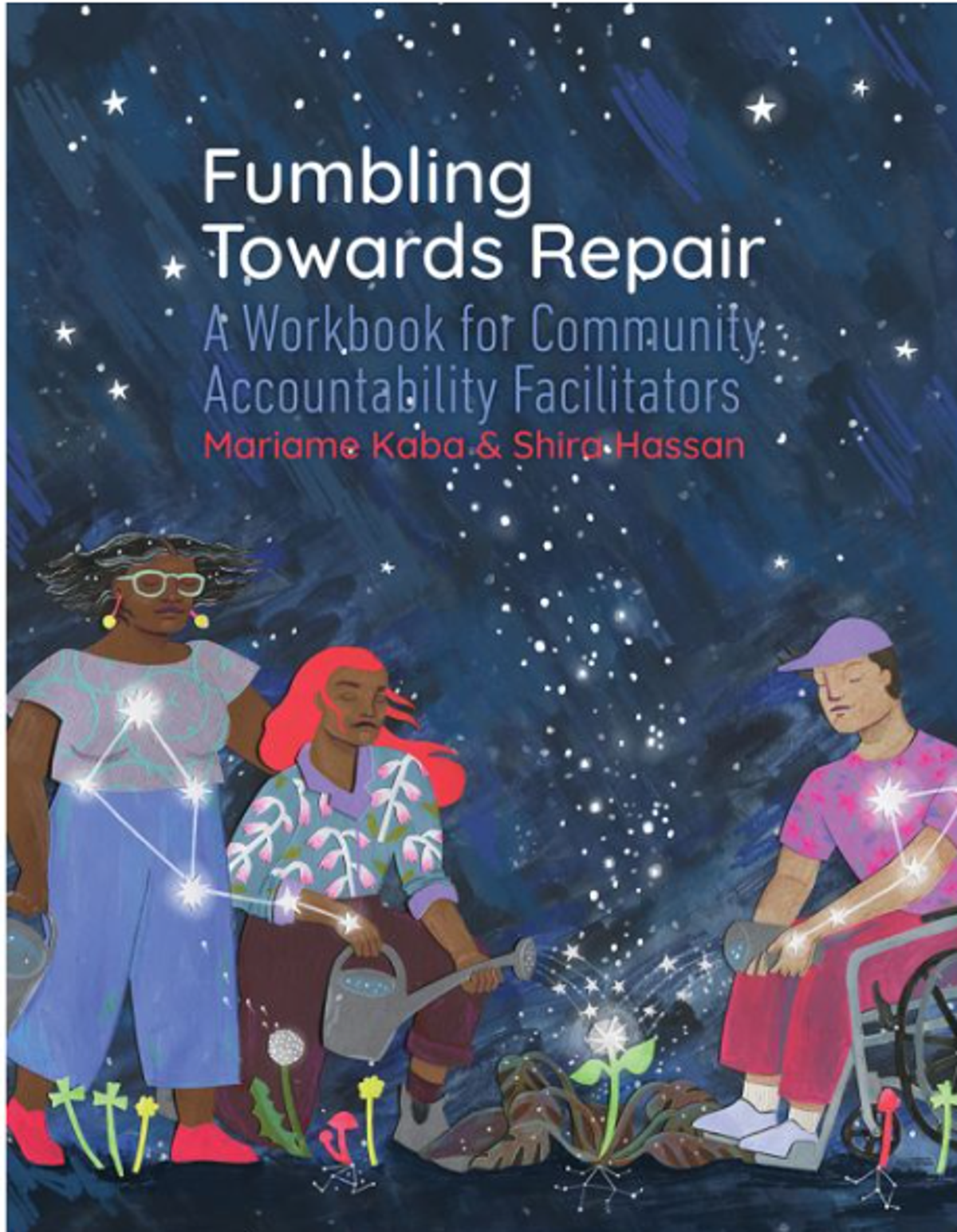
- Fumbling Towards Repair: A Workbook for Community Accountability Facilitators by Mariame Kaba and Shira Hassan
- An Abolitionist’s Handbook: 12 Steps to Changing Yourself and the World by Patrisse Cullors
- The abolitionist organising toolkit by Critical Resistance
- Brick by Brick: How We Build a World Without Prisons by Cradle Community
- Practicing Liberation Workbook: Radical Tools for Grassroots Activists, Community Leaders, Teachers, and Caretakers Working Toward Social Justice by Tessa Hicks and Hala Khouri
- The Revolution Starts at Home: Confronting Intimate Violence Within Activist Communities by Ching-In Chen, Jai Dulani, and Leah Lakshmi Piepzna-Samarasinha
Abolitionist Futures also have a comprehensive reading list on Transformative Justice practices, which includes books, articles, videos and podcasts. Check it out here.
In a world that often seeks to deaden compassion, hope, and healing, embracing accountability is not just a choice—it’s a necessity for safeguarding our communities. As you navigate your daily life, challenge the pervasive criminal realism that threatens to normalise despair and helplessness.
Our strength lies in the connections we forge and the love we share. By acknowledging the impact of our words and actions, we can spark a transformative movement that protects each other.
Together, let’s reclaim our power and inspire a future built on empathy and resilience!
Related Articles
RJN Statement on the Transitioning of Professor Jason Arday
24/08/2026 • RJN Team
One Year After Dr Pious Nyandoro: The Uncomfortable Truth About Empire, Borders and the Value of Black Life
23/07/2026 • Boucka Koffi